Transform Your Yard With Expert Synthetic Turf Installation
Changing a yard through professional synthetic turf installation introduces numerous benefits. Homeowners have the ability to attain a lush, green landscape free from the demands of conventional lawn maintenance. Experienced installers concentrate on detailed preparation and premium materials, ensuring longevity and visual attractiveness. As property values rise and maintenance costs decrease, many are considering this modern solution. Nevertheless, before choosing, it is vital to look into the central benefits and considerations. What elements must be weighed in this conversion?
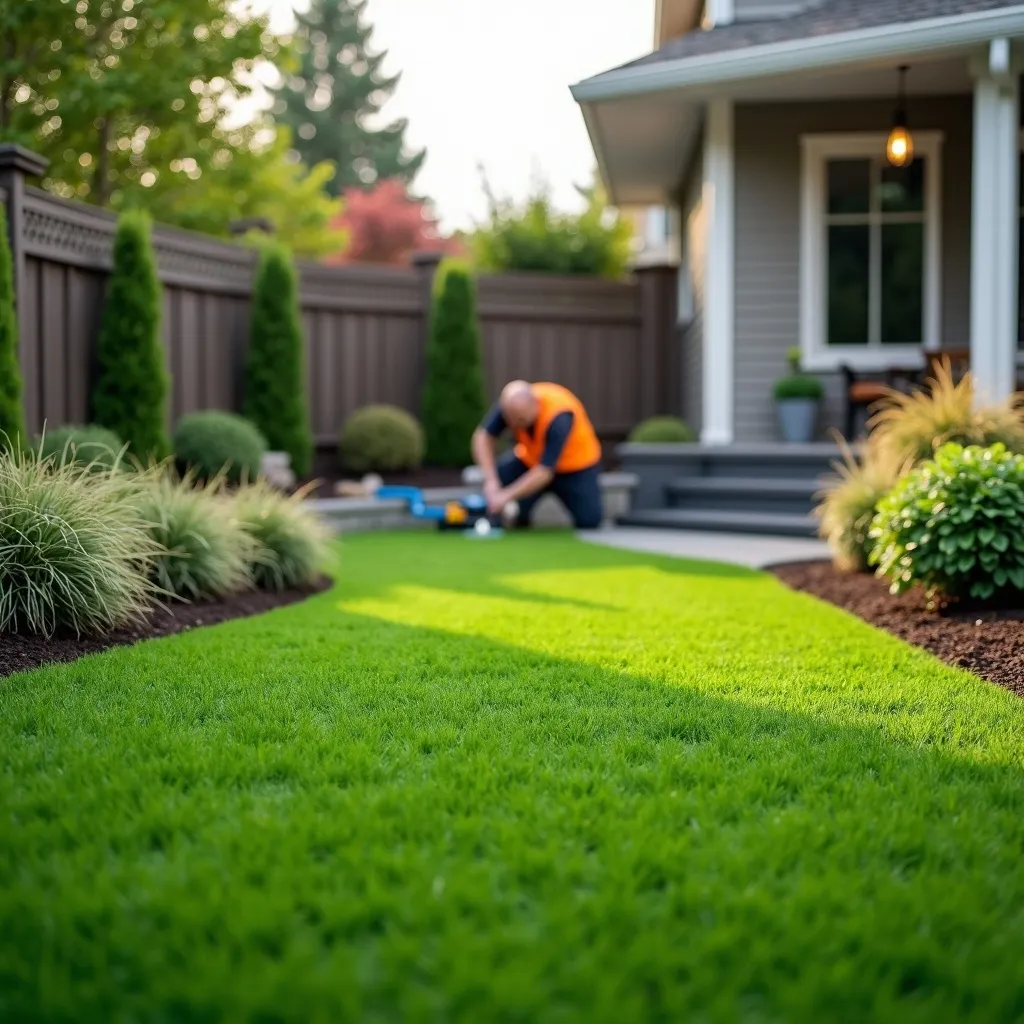
Why Select Synthetic Turf? Key Features Outlined
Synthetic turf presents many advantages that make it an attractive choice for diverse applications. One significant benefit is its minimal maintenance requirement. Unlike natural grass, synthetic turf does not need regular mowing, watering, or fertilization, which saves time and resources. Additionally, it remains vibrant and green year-round, regardless of climate conditions, providing uniform aesthetics.
One more benefit is resistance; synthetic turf can resist heavy foot traffic and adverse weather without deteriorating. This resilience makes it ideal for sports fields, playgrounds, and residential lawns. Moreover, synthetic turf is designed to be safe and non-toxic, lowering the risk of allergens and pests.
Cost-effectiveness is also a critical advantage, as it can create lower water bills and lowered maintenance expenses over time. Overall, the fusion of aesthetics, durability, safety, and budget savings makes synthetic turf an progressively preferred choice for property owners and organizations alike.
Finding the Most Suitable Variety of Synthetic Turf
Determining the appropriate form of artificial grass involves several important points. Characteristics including fiber depth, structural integrity, and accessible color and texture options play an important role in ensuring the turf addresses particular demands. Understanding these characteristics helps in making an educated decision that fits operational needs and aesthetic preferences.
Turf Pile Height Aspects
When deciding on the proper type of synthetic turf, pile height holds an vital role in both aesthetics and usability. Pile height, which denotes the length of the grass blades, strongly influences the visual appeal and practicality of the turf. Shorter piles, generally around 1 to 1.5 inches, yield a manicured look and are commonly used for busy areas, as they resist flattening. On the other hand, taller piles, measuring from 2 to 2.5 inches, deliver a dense, natural appearance, ideal for residential lawns and recreational areas. However, taller turf may require more maintenance to preserve its structure. Ultimately, selecting the correct pile height means balancing appearance needs with functional requirements to achieve the optimum result for any outdoor space.
Material Resilience Factors
Durability acts as a critical consideration in picking the right type of synthetic turf. When picking synthetic grass, one must consider the materials used in its construction, as they directly influence longevity and performance. High-quality polyethylene fibers are often chosen for their resistance to wear and fading, while nylon options provide superior resilience under heavy foot traffic. Additionally, the turf's backing material plays a significant role; a robust, UV-treated backing can enhance stability and stop deterioration over time. Understanding the infill options is also important, as certain materials can improve cushioning and help preserve turf shape. Ultimately, selecting durable synthetic turf assures that the investment resists environmental challenges while offering lasting beauty and functionality.
Color and Texture Varieties
While synthetic turf's visual allure is primarily found in its color and texture selections, choosing the suitable blend can enhance the entire landscape. There is a selection of colors available to homeowners to consider, spanning from rich greens to more natural, muted tones that mimic real grass. Texture is equally significant; choices range from soft, plush surfaces well-suited for play areas to more compact, durable types fit for high foot traffic. The interaction of color and surface can create focal points or harmonize with surrounding outdoor parts. Ultimately, selecting the proper artificial turf not only boosts visual appeal but also satisfies practical requirements, guaranteeing the yard is practical and inviting for various activities.
Readying Your Yard for Artificial Turf Installation
Preparing a yard for synthetic turf installation encompasses several fundamental steps. First, assessing the current landscape confirms that the area is serviceable for the new surface. Next, sweeping away debris and obstacles, followed by smoothing and grading the soil, creates a strong foundation for the turf.
Assess Your Existing Landscape
How can property owners ensure their yard is ready for synthetic turf installation? First, they should evaluate the existing ground composition, ensuring it is properly drained and without contaminants. Homeowners need to locate any inclines or uneven areas that may need leveling to create a solid foundation for the turf. Additionally, they should take into account the sunlight and existing plants, as these elements influence the installation process and turf performance. It is also crucial to evaluate any irrigation systems, as they might require removal or adjustment. By carefully reviewing these elements, homeowners can establish a favorable environment for synthetic turf, guaranteeing a successful and long-lasting installation. Proper assessment sets the stage for a seamless transformation of the yard.
Dispose of refuse and obstacles
To warrant a uninterrupted fitting of synthetic turf, homeowners must first empty their yard of clutter and obstructions. This step is critical for realizing a uniform ground and safeguarding proper drainage. Homeowners should begin by extracting any stones, branches, or organic matter that may interfere with the installation work. Additionally, existing lawn furniture, toys, and garden features must be relocated to provide unimpeded access to the installation area. It is advisable to check for any underground utilities, as this can prevent potential problems. By thoroughly clearing the space, homeowners create an excellent environment for synthetic turf installation, supporting a seamless process that enhances the overall appearance and functionality of the yard.
Level and Grade Soil
Reaching a level and graded surface is critical for the successful installation of synthetic turf. Thorough soil conditioning secures ideal drainage and minimizes the risk of unequal wearing. This process includes assessing the terrain layout, locating sunken areas, and tackling any high areas. Using a rake or grading equipment, the soil can be smoothed and compacted, creating a consistent foundation. It is important to clear away any rocks, roots, or debris that could hinder the installation. Additionally, verifying the slant carries water from structures helps stop standing water and promotes longevity. Engaging professionals in this step can improve precision, leading to a impressive, effective outdoor space that addresses the appearance and utility needs of homeowners.
What Way Can Skilled Installation Boost Durability?
While numerous factors determine the endurance of synthetic turf, expert installation is important in strengthening its durability. Expert installers guarantee that the turf is laid on a well-prepared base, which includes tamping the sub-base to hinder settling and uneven wear over time. This treatment minimizes the risk of shifting or wrinkling that can occur with improper installation.
Moreover, professionals employ high-quality bonding agents and joints, which are crucial for preserving the structural soundness of the surface. Precision in cutting and joining pieces avoids fraying and enhances the overall aesthetic.
Moreover, a practitioner understands the criticality of correct infill application, which strengthens the surface and enhances durability. By adhering to industry standards and best practices, professional installers create a strong foundation that significantly extends the longevity of synthetic turf, ensuring it resists heavy foot traffic and variable weather conditions without deteriorating.
What To Look For During Deployment?
Synthetic turf setup develops by means of a sequence of well-coordinated steps that guarantee a seamless result. To start, the area is assessed and designated, ensuring precise placement and coverage. Following this, the current grass and debris are eliminated, creating a clean base. The ground is then graded to promote proper water flow, an critical aspect in thwarting water pooling.
Next, a weed suppression mat is installed to curtail future growth, followed by the fitting of a compacted base layer, usually consisting of crushed stone or decomposed granite. This layer strengthens structural support and resilience. Finally, the synthetic turf rolls are meticulously deployed, verifying negligible seams and utmost aesthetic appeal.
The last steps involve securing the turf with stakes or glue, then filling with sand or rubber granules to improve durability and replicate natural grass. This comprehensive procedure culminates in a attractive, low-maintenance lawn prepared for immediate use.
Effortless Upkeep Techniques for Your Artificial Lawn
Maintaining a man-made lawn is easy to do and can be achieved with minimal effort. Regular maintenance consists of some basic tasks that help keep the turf looking pristine. First, occasional brushing with a rigid broom lifts the fibers and prevents matting, ensuring a lifelike appearance.
Next, fallen leaves and branches should be removed regularly, either by hand or with a leaf blower, to prevent accumulation and potential discoloration. If pets are present, quickly removing pet waste is vital, as it decreases odors and maintains sanitation.
Additionally, rinsing the surface with water can assist in removing dust and allergens, creating the lawn more pleasant for everyone. For areas facing high foot traffic, periodic infill replenishment may be necessary to preserve stability and appearance. Following these simple approaches allows homeowners to maintain a vibrant, low-maintenance lawn year-round.
Analyzing the Financial Investment: Is Synthetic Turf A Good Choice?
How might one evaluate the benefit of synthetic turf compared to traditional grass? Determining costs involves considering both initial installation and long-term maintenance. While the upfront expense of synthetic turf can be significant—ranging from $5 to $20 per square foot—its longevity often makes it a affordable choice. Synthetic lawns can last 15 to 25 years without the need for regular mowing, watering, or fertilizing, substantially reducing ongoing maintenance costs.
Homeowners must also consider the environmental impact. Synthetic turf eliminates the requirement of pesticides and herbicides, promoting a more eco-friendly landscape. Additionally, it offers a uniform, green appearance year-round, which can enhance property value.
In the final analysis, the worth of synthetic turf rests on individual preferences and circumstances. For those aiming for minimal maintenance and visual beauty, the investment may be justified, while traditional grass might still suit others' needs better.
Frequently Requested Questions
Can Synthetic Turf Be Placed Over Existing Grass?
Yes, synthetic turf can be placed over existing grass, but proper preparation is essential. This involves making sure the grass is flattened and clear of obstructions to create a suitable foundation for the new grass application.
What Duration Can You Expect From Synthetic Turf?
Man-made turf commonly lasts for 15 to 25 years, relying on aspects including quality, maintenance, and environmental conditions. Regular care can enhance its lifespan, positioning it as a dependable option for various landscaping needs.
Is Synthetic Turf Secure for Pets and Children?
Synthetic turf is typically secure for children and pets, as it is engineered to be free from toxins and free from dangerous substances. Consistent upkeep find details about ensures hygiene, fostering a safe play environment for both pets and kids.
Can Artificial Turf Be processed for recycling?
Yes, artificial grass can be recycled. Many producers present initiatives to reclaim old turf, allowing it to be processed into new products. This helps reduce waste and promotes green practices in outdoor design.
What Transpires if It Precipitates Following Setup?
Following placement, synthetic turf typically drains rainwater effectively, stopping water from pooling. Nevertheless, it may demand light maintenance following rain, such as brushing or removing debris, to maintain maximum performance and visual appeal in rainy situations.